How a 24/7 AI Assistant Pays for Itself in Your Clinic
TL;DR: Every after-hours enquiry your clinic misses is a booking that went to someone else. A 24/7 AI assistant converts those lost leads into revenue — and pays for itself the moment it books one extra patient per month.

It's 10:15 on a Thursday night. A potential patient is sitting on her couch, finally getting around to researching Botox. She's been thinking about it for months. She lands on your clinic's website, reads the treatment page, and decides she's ready. She types a message into your contact form asking about availability and pricing.
Your clinic is closed. No one sees it until 8:30 the next morning — and by then, she's already booked with the clinic that replied at 10:17pm.
This isn't a rare scenario. It's one of the most common ways South African clinics lose revenue, and it happens every single night of the week.
The Real Cost of a Missed Clinic Enquiry
Before deciding whether a 24/7 assistant makes sense for your clinic, it helps to know what a missed enquiry actually costs.
In aesthetic clinics, a single Botox treatment runs R1,500 to R3,000. A full facial package or filler treatment can be R3,000 to R6,000. Repeat patients — the ones who come back every three to four months — are worth R6,000 to R24,000 per year. Physiotherapy and allied health clinics tell a similar story: a new patient seeking treatment for an injury or chronic condition is worth R650 to R900 per session, often across multiple sessions over weeks or months.
The patient who doesn't hear back doesn't just cost you that first booking. She costs you every repeat visit, every referral she would have sent your way, and every treatment she would have added on over time. Lifetime patient value in a clinic is rarely just a single appointment.
Missing one enquiry per night, five nights a week, means potentially losing 20 or more qualified leads a month — all from people who had already decided they wanted treatment and came to your site ready to book.
Why Clinics Lose Enquiries (It's Not What You Think)
The easy answer is "we're closed after hours." But that's only part of it.
After-hours is the peak browsing window. Patients research cosmetic and health treatments in the evenings and on weekends — when they have time to think, compare, and decide. The hours between 8pm and 11pm are consistently when consumers research considered purchases. Your clinic's quiet time is actually your hottest sales window.
Response time is the decisive factor. Studies consistently show that leads responded to within five minutes are dramatically more likely to convert than those reached after an hour. After-hours enquiries that sit until morning have almost always already moved on by the time you reply. The patient isn't being disloyal — she just has options and chose the clinic that treated her as a priority.
Contact forms create friction and delay. A visitor who fills out a form and waits doesn't know if you received it, when you'll reply, or whether you even offer the treatment they want. A chat assistant that responds immediately with accurate answers — treatment options, rough price ranges, available appointment slots — removes that friction and keeps the conversation moving.
Staff availability isn't scalable. You can't hire someone to sit by a phone seven days a week, evenings included, for what amounts to a trickle of enquiries. The cost per lead handled that way is prohibitive. An assistant handles unlimited simultaneous conversations for a flat monthly cost.
What a 24/7 AI Assistant Actually Does
A properly built clinic assistant isn't a FAQ bot with a list of canned responses. It's a conversational tool that handles the full pre-booking journey.
When a potential patient arrives on your website at 10pm, the assistant greets them, learns what they're interested in, answers questions about treatments and what to expect, gives them enough information to feel confident, and walks them toward booking an appointment — all without a human in the room.
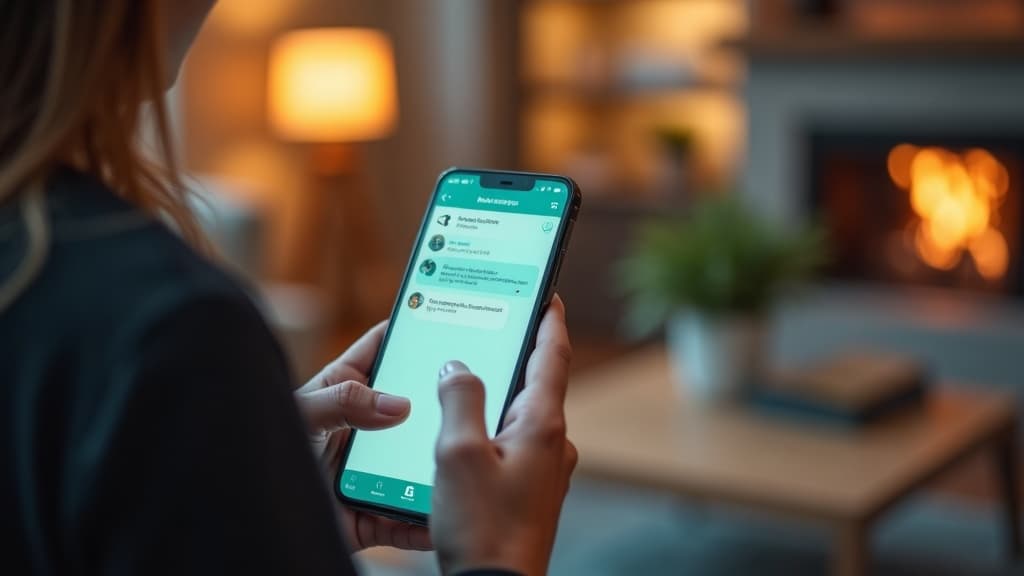
It can answer treatment questions ("What's the difference between Botox and fillers?"), provide general price ranges without committing to exact quotes, check available appointment slots, send booking confirmations, and flag anything that needs a human — like a specific medical question or a complex case — to your team for follow-up.
The assistant knows your clinic's rules: which treatments you offer, what your minimum age policies are, which questions require a consultation before answering, and when to recommend speaking to a practitioner directly. It doesn't go rogue. It operates within boundaries you set.
For new patients at allied health clinics, it can also collect intake information upfront — reducing paperwork on arrival and giving your team what they need before the first appointment.
The Break-Even Calculation
Here's where the ROI math gets simple.
A well-configured clinic assistant costs less per month than the revenue from a single missed consultation. The exact figure depends on the provider and what the assistant is built to do, but the principle holds: one extra booked patient per month is all it takes to cover the cost.
Everything beyond that is recovered revenue — bookings that would have gone to a competitor, patients who would have given up, enquiries that would have aged out of your inbox over the weekend.
| Without a 24/7 assistant | With a 24/7 AI assistant |
|---|---|
| After-hours enquiries sit in inbox until morning | Enquiries answered within seconds, any time of night |
| Many leads book elsewhere before you reply | Booking secured before the clinic opens |
| Staff field the same FAQs repeatedly | Assistant handles FAQs, staff focus on patients in the room |
| Weekend enquiries often lost entirely | Weekend enquiries converted to Monday appointments |
| Revenue depends on office hours | Revenue pipeline runs 24 hours a day |
Run the numbers for your clinic. If your average treatment value is R2,000 and the assistant converts two extra enquiries a month that would otherwise have gone nowhere, that's R4,000 in recovered revenue — almost certainly more than the assistant costs to run.
Beyond Break-Even: Recovered Revenue at Scale
Once the assistant pays for itself, the economics shift. Every additional booking it generates is revenue that would have been lost — not to your costs, not to overhead, but purely to friction and timing.
Clinics that run 24/7 assistants don't just capture more bookings from existing traffic. They change how their staff operates. Your receptionist isn't fielding the same five questions about Botox duration before 9am anymore. Your practitioners aren't walking out of a treatment room to answer the phone. Your front desk handles patients, not inbox management.
The assistant also builds a data trail. You start to see which treatments enquiries cluster around, which questions come up repeatedly (often a sign that your website doesn't answer them clearly enough), and at what times most of your potential patients are reaching out. That's useful even before you factor in the bookings.
Where This Fits in a Clinic's Digital Setup
A 24/7 assistant is one layer of a broader AI automation setup — where the work of running a clinic's front end (enquiries, follow-ups, appointment confirmations, reminders, intake forms) happens automatically, without adding to your team's workload.
For many clinics, the assistant is the best place to start, because the ROI is immediate and measurable: more bookings from the same website traffic, with no extra marketing spend. Once it's running, you can layer in automated reminders, post-visit follow-up, and patient reactivation campaigns.
If your website itself is the weak link — slow to load, hard to navigate, or not showing up in search — that's worth addressing first. Our free website audit will tell you exactly where the drop-off is happening and what to fix.
What to Look For in a Clinic Assistant
Not all chatbots are built equal. For a clinical environment, a few things are non-negotiable.
Medical guardrails. The assistant must never offer clinical advice, diagnose conditions, or recommend treatments based on symptoms. It handles logistics — bookings, pricing, availability, FAQs — and passes anything clinical to your team. A bot that crosses that line creates liability.
Accurate pricing. The assistant should give patients enough information to feel confident (general ranges, what's included) without committing your clinic to a price before a practitioner has assessed the patient. Price guardrails matter.
Seamless booking. If the assistant can check your calendar and confirm a slot in real time, conversion rates are higher than if it just collects a name and email to "follow up." The shorter the gap between interest and confirmed booking, the better.
Handoff to a human. When a patient asks something the assistant isn't equipped to handle — a complex medical question, a complaint, something that needs a practitioner's input — it should hand off gracefully, not stall or give a generic response.
Is Your Clinic Ready?
If your website is getting traffic but your enquiry numbers don't match, a 24/7 assistant is almost certainly the gap. Traffic without conversion is just an opportunity you're not capturing.
To see what's holding your site back before adding an assistant, start with our free website audit. It'll flag the technical and content issues that cost you conversions before a visitor even reaches the chat.
If you want to see exactly what a clinic assistant looks and feels like — and how it handles real patient questions — try the live demo. It's built for aesthetic clinics, but the same approach applies across physio, dental, and allied health practices.
For more on how South African businesses are handling enquiries and bookings automatically, see our guide on how to get an AI chatbot for your website and our post on website audits — both relevant if you're starting from scratch with your online presence.
When you're ready to talk through what this looks like for your clinic specifically, get in touch.
Further Reading
- How to Reduce No-Shows in Your Aesthetic Clinic
- Why Your Clinic Loses Patients Between 5pm and 9am
- How to Get an AI Chatbot for Your Website
- Website Audit South Africa
- Welcome to the Grey Matter Blog
- The True Cost of a Slow Clinic Website in South Africa
- After-Hours Enquiries: The Hidden Revenue in Your Clinic
- How Many Property Enquiries Do You Lose After Hours?
Frequently Asked Questions
How much does a 24/7 AI assistant cost for a clinic? Pricing varies by provider and what the assistant needs to do. A well-configured clinic assistant typically costs less per month than the revenue from a single missed consultation — which makes it one of the easiest business cases in a clinic's budget.
Does an AI assistant replace my receptionist? No. It handles the repetitive, time-sensitive work — after-hours enquiries, FAQs, booking confirmations — so your receptionist can focus on patients in the room. Most clinics find it reduces admin pressure rather than headcount.
What happens to clinic enquiries that come in after hours? Without an assistant, they sit in an inbox until the next morning. By then, many patients have already booked with a competitor who responded faster. A 24/7 AI assistant answers immediately, qualifies the lead, and can secure a booking before the clinic opens.
How long does it take to set up an AI assistant for a clinic? A properly configured assistant — trained on your services, pricing guardrails, booking rules, and FAQs — typically takes one to two weeks to build and test. The result is a tool that works on day one and improves as more interactions come in.